

Our Mission
The mission of Himalayan Institute India is to promote the wisdom of the Himalayan Tradition through publication of a wide range of titles on yoga, meditation, spirituality, and holistic health. The Institute is headquartered at our 30-acre spiritual retreat center in Allahabad (U.P.) on the banks of the Ganga. Himalayan Institute India also undertakes several humanitarian projects, including supporting village schools and a traditional Sanskrit college in Uttar Pradesh, educational scholarships, organic farming training, and community tree plantation and environmental regeneration projects in Karnataka.
Founder & Leadership
The Himalayan Institute is a leader in the field of yoga, meditation, spirituality, and holistic health, and was founded by Sri Swami Rama of the Himalayas.
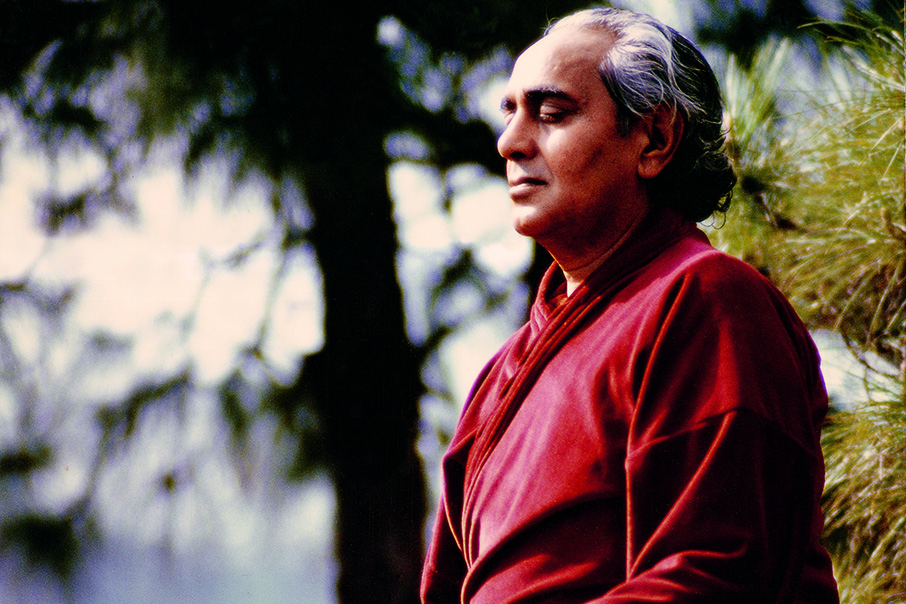
Swami Rama
FounderIn addition to this intense spiritual training, Swami Rama received higher education in both India and Europe. From 1949 to 1952, he held the prestigious position of Shankaracharya of Karvirpitham in South India. Thereafter, he returned to his master to receive further training at his cave monastery, and finally in 1969, came to the United States where he founded the Himalayan Institute.
His best known work, Living With the Himalayan Masters, reveals the many facets of this singular adept and demonstrates his embodiment of the living tradition of the East.
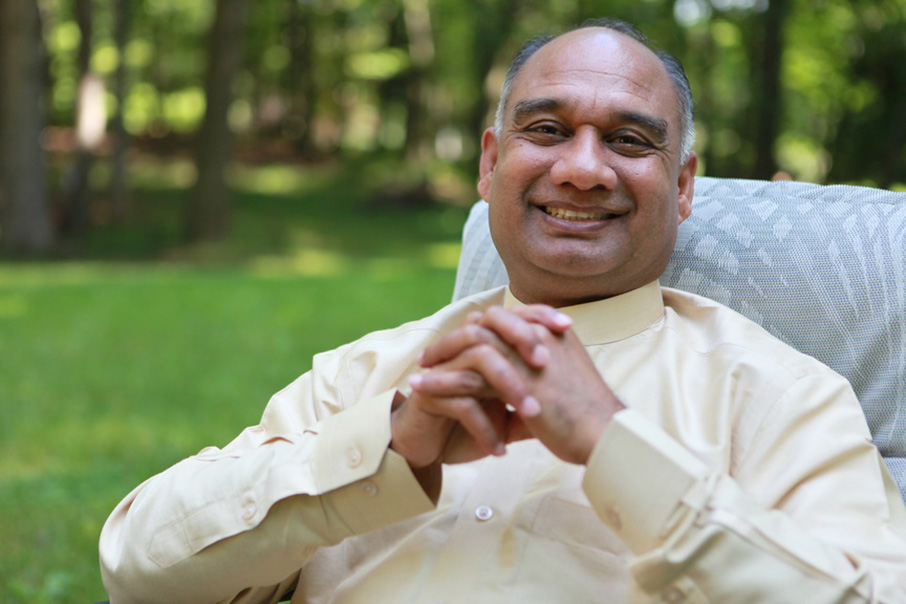
Pandit Rajmani Tigunait, PhD
Chairman, Spiritual HeadPandit Tigunait holds two doctorates: one in Sanskrit from the University of Allahabad in India, and another in Oriental Studies from the University of Pennsylvania. Family tradition gave Pandit Tigunait access to a vast range of spiritual wisdom preserved in both the written and oral traditions. Before meeting his master, Pandit Tigunait studied Sanskrit, the language of the ancient scriptures of India, as well as the languages of the Buddhist, Jain, and Zoroastrian traditions. In 1976, Swami Rama ordained Pandit Tigunait into the 5,000-year-old lineage of the Himalayan Masters.
Bookstore
The Himalayan Institute Press has long been regarded as the resource for holistic living. We publish books that offer practical methods for living harmoniously and achieving inner balance.
Free Shipping on All Online Orders!
Order 2 or More Books to Qualify for a 15% Discount
“I will tell you how I grew up and how I was trained, about the great sages with whom I lived and what they taught me, not through lectures and books but through experiences,” writes Sri Swami Rama in the opening pages of this timeless saga. These stories record his personal quest for truth and enlightenment. Inspiring, illuminating, entertaining, mystifying, and frequently droll and humorous, they bring you face-to-face with some great Himalayan Masters including Mataji of Assam – a ninety-six year old lady sage who never slept; Gudari Baba, who taught Swami Rama the value of direct experience; Yogi Sri Aurobindo, who integrated meditation with action; Uria Baba, who teaches that every human being has the potential for healing; Mahatma Gandhi, the Father of the Nation.
"Buy this book for yourself. Each page is filled with joy and cheer. What I like best is that Swami Rama's message does not require us to transform ourselves, it teaches that we are already perfect." -Judith Benn Hurley, author of The Good Herb, Savoring the Day, and Healing Secrets of the Seasons
"This beautifully written book is about freedom in its ultimate sense, highly recommended for its ephemeral wisdom and endless depth." -Napra Review
"A complete and practical guide to the foundations of the spiritual journey ... The vividness of the stories is absorbing, allowing them to be read over and over again." -New Age Book Review
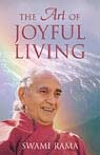
In The Art of Joyful Living, Swami Rama imparts a message of inspiration and optimism: that you are responsible for making your life happy and emanating that happiness to others. This book shows you how to maintain a joyful view of life even in difficult times.
Contains sections on transforming habit patterns, working with negative emotions, developing strength and willpower, developing intuition, spirituality in loving relationships, learning to be your own therapist, understanding the process of meditation, and more!
“Your culture teaches you to smile at others, but such smiles are only momentary and do not reflect your real feelings. Actually, there should be a perennial and real smile on your face all the time. To achieve that, you should have a clear concept of the meaning of life, and the philosophy of life. Then, you will start to live on a deeper level, and will begin to enjoy your life… When you understand your real responsibility in life, you will know that every human being is responsible to make his life happy, and then to emanate that happiness to others.” -Swami Rama
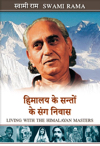
“I will tell you how I grew up and how I was trained, about the great sages with whom I lived and what they taught me, not through lectures and books but through experiences,” writes Sri Swami Rama in the opening pages of this timeless saga. These stories record his personal quest for truth and enlightenment. Inspiring, illuminating, entertaining, mystifying, and frequently droll and humorous, they bring you face-to-face with some great Himalayan Masters including Mataji of Assam – a ninety-six year old lady sage who never slept; Gudari Baba, who taught Swami Rama the value of direct experience; Yogi Sri Aurobindo, who integrated meditation with action; Uria Baba, who teaches that every human being has the potential for healing; Mahatma Gandhi, the Father of the Nation.
"Buy this book for yourself. Each page is filled with joy and cheer. What I like best is that Swami Rama's message does not require us to transform ourselves, it teaches that we are already perfect." -Judith Benn Hurley, author of The Good Herb, Savoring the Day, and Healing Secrets of the Seasons
"This beautifully written book is about freedom in its ultimate sense, highly recommended for its ephemeral wisdom and endless depth." -Napra Review
"A complete and practical guide to the foundations of the spiritual journey ... The vividness of the stories is absorbing, allowing them to be read over and over again." -New Age Book Review
English
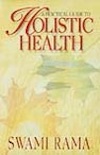
The new yet ancient concept known as holistic health affirms the complete interrelationship between body, mind, and spirit. As an authority in both Eastern and Western techniques, Swami Rama presents a philosophy of total health. Maintaining that each individual possesses the responsibility and the tools to regulate his own well being, he discusses the practical aspects of cleansing, nourishing, being still, utilizing the emotions, self-training, and exercise.
"...excellent manual in everyday preventive medicine with sound, basic skills indispensable for long term health in body and mind." -Alan C. Hymes, M.D., Cardiovascular Surgeon, U. of Minn. Medical School
"If you have been wondering where to begin in a program for adopting healthful regimes, A Practical Guide to Holistic Health is a 'natural'." -The A.R.E. Journal
"Filled with helpful information... The ideas are easily understood and any reader who wants to change and elevate his day-to-day existence will profit by dipping into its pages." -SSC Booknews
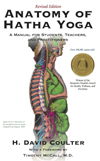
Anatomy of Hatha Yoga now revised and in full four color reproduction, remains the most authoritative source correlating the study of hatha yoga with anatomy and physiology. The hardcover sold over 100,000 copies and was a Benjamin Franklin winner for Health Wellness & Nutrition. It spent six years as a retail top 50 selling health hardcover backlist book.
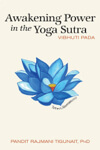
“Vibhuti Pada is a textbook for understanding the most mysterious of all forces-the human mind. It delineates the principles and practices we need to enter the deeper dimension of our mind and awaken the extraordinary powers (siddhis) lying dormant there. Put simply, acquiring siddhis means recognizing and reclaiming our innate capacities, using them purposefully, and offering them back to the One who gave them to us. This is the message of Vibhuti Pada-Patanjali’s gift to all seekers.”
– Pandit Rajmani Tigunait, PhD
Awakening Power in the Yoga Sutra
Book of Wisdom is Swami Rama’s commentary on one of the most celebrated of the Upanishads, the sacred scriptures that form the basis of spiritual thought in India. Serving both as an introduction to yoga philosophy and as a careful guide for scholars, this excellent study begins with a history of the Upanishads, which are the world’s oldest written source of knowledge. This scripture explains the essential questions of the nature of God, the origin of ignorance and illusion, and the levels of mind and consciousness.
“The Ishopanishad is considered to be the foundation stone of Upanishadic knowledge…The answer to all the important questions of life are to be found in this short Upanishad. It is an ideal book of Vendanta philosophy.” —Swami Rama
Celestial Song of the Gobind Geet is the dialogue between Sri Guru Gobind Singh and Banda Singh Bahadur, two great leaders in the history of humanity and the Sikh tradition. This poetic interchange presents the ideals of Sikh dharma in a simple and lucid way so that they can be enjoyed, understood, and applied by all who hear them. A central theme of the book is that the spiritually aware have a responsibility to help those in the world – that selfless service to humanity is, in fact, a spiritual practice. To serve, to remember, and to love are the three essential aspects of the Sikh dharma.
"Not only an epic with great spiritual and poetic heights but also a divinely inspired work." -Dr. Mohinder Singh, Director, Guru Nanak Institute for Comparative Study of Religion
"The foundation of intolerance is the failure to recognize ourselves in others. This lucid exposition of the Vedantic basis of Sikh ethics should remind both Hindus and Sikhs of their common philosophical legacy, while dealing with a problem of immense importance for thoughtful South Asians: the relation of religious devotion to public duty." -Professor Murray Leaf, Ph.D., University of Texas at Dallas, Author of The Song of Hope: The Green Revolution in a Punjab Village, and Information and Behaviour in a Sikh Village: Social Organization Reconsidered
This practical guide describes many of the paths spiritual seekers travel to enlightenment. It contains clear and profound descriptions of the major paths of yoga and various methods of awakening kundalini, helping you see your way clearly and avoid many of the pitfalls and detours on the spiritual journey.
“This book gives a glimpse and creates a provocative atmosphere for the intelligent and learned so that they will begin studying their inclination to follow a particular path, and so that they don’t waste time and energy in the prevailing confusion of our times, but choose a definite path for themselves. The younger generation today is longing to seek something new and fresh, but it is torn by the conflicts created by guilt and fear. With these views in mind and to serve the needs of the aspirants and free-thinkers, I present this book.” -Swami Rama – from the Introduction.
A great sage of the Himalayas collaborates with an American-trained psychologist in this practical, holistic perspective on the role of emotions in the evolution of consciousness. They explain how we can all expand our consciousness from a state of conflict, confusion, and unrest to an experience of peace, joy, and radiance, which is the core essence of our being. This important work outlines the journey from emotion to enlightenment and sheds light on how the creative use of emotion empowers inner transformation and the pursuit of freedom, while helping us engage in the drama of life with a clear, calm, and joyful mind.
It is declared in the Mandukya Upanishad that if one studies and practices its teachings, one acquires the knowledge to attain enlightenment. This volume is written for those students who actually want to practice the method according to this Upanishad….The Mandukya provides a comprehensive map for the inward journey that shows the individual the way from the the mundane to the eternal. It then describes this state, the Ultimate Reality, the goal of human existence.
“When one understands the teachings of the Upanishads, then one realizes that life itself is a sort of worship that can shine on the alter of infinity…This can be done when people determine to enlighten themselves, and enlightenment is possible here and now without the help of the word God.” —from Chapter, 1 “Awakening”
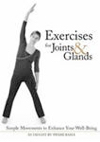
Discover what it takes to make your body feel better and to regain some of the motion you once took for granted. Here is a set of simple, pleasant stretching exercises that can be enjoyed by everyone. These exercises increase circulation to all parts of the body and help improve overall flexibility. By releasing accumulated tensions in the joints and glands, the exercises help restore a natural vitality to the body and mind. These exercises were also designed to gently prepare and train the body for the further practices of hatha yoga.
This book addresses such challenging faith-related subjects as fearlessness, miracles of healing, and the astonishing abilities of the one-pointed mind. This is a book filled with stories of sages and the saints who possess phenomenal, supernatural powers. Some of its stories–mysterious beings who guide lost travelers in the Himalayas, a clever sage who changes one form of matter into another, a master who heals a boy suffering from small pox–will amaze you.
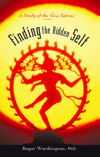
An exploration of the Siva Sutras which describe the creative principle behind the universe and how it manifests to human consciousness. Western Philosophers have searched hard for the elusive entity called consciousness, but nowhere has it been captured better that in the Siva Sutras. This Sutras describe the creative principle behind the universe and how it manifests in human consciousness The origin of the Sutras is mysterious; legend has it that the sage Vasugupta discovered them engraved on a large stone tablet on Mount Kailas in Kasmir. Lord Siva, the creator, preserver, and destroyer of the universe, guided Vasugupta to the tablet in a dream, and the Siva Sutras are regarded by some as divine revelation. The Siva Sutras are unquestionably demanding, containing as they do an exposition of spiritual philosophy in a most compact form. The reader who accepts the challenge will be richly rewarded.
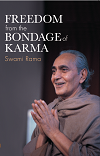
Karma – the activity of doing and being – is traditionally symbolized as a rope of many strands, made of actions, thoughts, desires, and the latent tendencies of personality which lie hidden in the depths of the subconscious mind. The effect of these constituent aspects of karma is to keep the mind in a state of constant agitation and outward-directedness in search of appeasement. The result is enslavement to the many objects, ideas, fantasies, and pleasures which vie for the mind’s attention. As long as the mind remains in this scattered and dissipated condition, there can be no hope of freedom from karma.
In the eight lectures included in this volume, Swami Rama offers a series of perspectives on man’s most significant responsibility – that of self-understanding. Analyzing the mechanisms of karma and the functioning of mind, Swamiji demonstrates the kind of self-study each student of life must undertake to gain liberation and attain freedom from the bondage of karma.
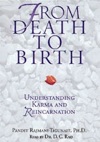
What happens when we die? How does our present life affect our future? What part of us remains after death? From Death to Birth takes us along the souls journey from death to birth, dispelling the frequent misconceptions about this subject by revealing little-known but powerful truths. Through a series of lively stories drawn from the ancient scriptures and his own experience, Pandit Tigunait reveals what karma really is, how we can create it, why it becomes our destiny, and how we can use it to shape the future of our dreams. To make this understandable, he takes us through the journey after death, and explains the difference between rebirth, reincarnation, and divine birth. In the final story, we learn how we too can complete the three stages of the spiritual journey- from worldly happiness, to heavenly pleasures, to immortality.
"Pandit Rajmani generously reveals little known and little understood aspects of spiritual life, which makes this book a veritable treasure." -Georg Feuerstein, Director, Yoga Research Center, Yoga World
"In From Death to Birth Pandit Rajmani Tigunait provides an in depth study of the process of karma and rebirth, with many detailed examples and interesting stories to highlight the great truths that he has gathered from the Yoga tradition. . . . It is perhaps the most illuminating study of the subject to come out in recent years." -David Frawley, Director, American Institute of Vedic Studies
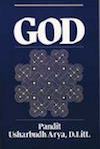
This book is a collection of essays on the yoga-Vedanta concept of God. It is Pandit Usharbudh Arya’s hope that this compilation will evoke in many a desire to know God, in whatever form that may be, which is the only worthwhile desire that there is.
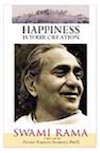
An inspiring collection of Swami Rama’s teachings on finding and keeping happiness. This clearly written and insightful book contains the inspirational teachings of Swami Rama on how to find and keep happiness in daily life. These passages identify the causes of unhappiness and provide direction in how to keep centered and joyful. Learn the art of yama–self regulation and self-observation. Reap the benefits of meditation–relaxation, focus, increased, and so much more. And discover the elements of a conscious mind–manas (mind), ahamkara (ego), and buddhi (intellect).
“You are a creation of God, but happiness is your creation. You are equipped with everything that you need to live a happy life. Your only job is to discover the source of happiness within and infuse your surroundings with that inner happiness.” -Swami Rama
"Practitioners of New Age and Eastern spirituality will surely appreciate Swami Rama's insights... Any reader looking to be moved to greater holiness, compassion, and humility will find ample fodder for reflection." -Melanie Seibert, Foreword Magazine
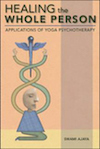
Yoga has moved into the mainstream of American society and is increasingly being seen as a powerful tool for keeping healthy – both physically and mentally. Even the Western medical establishment is acknowledging the wisdom of this ancient system. Yet despite the recent trend toward medical studies of meditation and related phenomena, few good resources exist on the more general theoretical foundations and methods of yoga as a therapeutic modality.
Healing the Whole Person by Swami Ajaya is a classic overview of Yoga Psychotherapy that remains a ground breaking and comprehensive introduction intended for mental health professionals and serious practitioners.
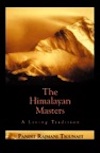
This book explores the lives of eight Himalayan sages who held the distilled wisdom and power of the world’s spiritual traditions. These sages belonged to a universal tradition that emphasizes the direct experience of truth, one not limited by bounds of religion, nationality, geography, era, or race. Panidt Tigunait recounts stories and recorded dialogue that bring the experiences of these sages to life. These eight Himalayan masters knew how to live with success and health in the world while experiencing the innermost truths of existence. Learning about their lives will give you the practical insight you need to find your own way to such wisdom and truth.
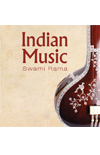
This book is addressed to those who are interested in learning Indian music. It is a basic introduction to the system of Indian music, complete with vocal exercises for those who wish to practice training their voice.
Indian classical music is as ancient as the human race itself. How fortunate is he or she who loves to sing or play an instrument! Indian classical music is deep, profound, and melodious. It draws upon the rhythms of nature that resonate in the human heart. Everyone can respond to it Singing, playing instruments, dancing painting, and composing poetry are all various ways of expressing human emotions in a creative manner Music is the highest way of expressing emotions When I observe the effect of music on students, it is evident that those who acquire the taste for singing or playing music are happier that those who do not.
—Swami Rama
To help us on our quest for self-realization, Pandit Tigunait draws on the knowledge he has gathered form the scriptures, from accomplished teachers, and from his own spiritual findings as well as his experiences with other seekers and students on the path.
Inner Quest grew out of Pandit Tigunait’s bi-monthly column by the same name in Yoga International Magazine. This second edition is more than twice as long as the first and incorporates new questions and answers.
Available again after many years out of print, Inspired Thoughts of Swami Rama is a valuable collection of lectures and articles given by Swami Rama during the early years of his mission in the West. Covering a wide range of topics and styles, this book reflects the extraordinary personality of this legendary master of the 20th century. It offers a rare glimpse into the formative years of Swami Rama’s spiritual mission in the West and his unique expression of core themes that define his teachings, including yoga sadhana, meditation in practice, yoga therapy, holistic well-being, the mystery of the mind, kundalini, and the role of spirituality in modern life.
Japji is one of the most sacred texts of the Sikh tradition, and contains the wisdom of Guru Nanak, the founder of the Sikh tradition. Japji is considered to be Guru Nanak’s most outstanding work, containing the quintessence of the Sikh philosophy. This translation and commentary by Sri Swami Rama shares his unique views on meditation in Sikhism, as well as translation of the Japji in verse.
Based on the encounter between Yama, the King of Death, and Nachiketa, the seeker of death’s meaning, this book examines the mystery and challenge of death. The story is taken from the Kathopanishad, one of the most important and ancient of all the scriptures. A philosophical understanding of the meaning and purpose of life and death is presented, along with a practical psychology for coping with life and for overcoming the fear of death.
“Know who you are and rejoice in being what you are.” – from the Introduction
This inspiring collection includes verses from the treasure house of Sanskrit scriptures: the Katha Upanishad, Bhagvad Gita, and Rig Veda. Each selection includes the original Sanskrit, a transliteration of the Sanskrit, and English translation, and is illustrated with an original watercolor by Roger Hill.
Translated by Sanskrit scholar Pandit Rajmani Tigunait, these verses infuse our hearts with compassion and invite the reader to contemplate the love and wisdom of their message.
“I will tell you how I grew up and how I was trained, about the great sages with whom I lived and what they taught me, not through lectures and books but through experiences,” writes Sri Swami Rama in the opening pages of this timeless saga. These stories record his personal quest for truth and enlightenment. Inspiring, illuminating, entertaining, mystifying, and frequently droll and humorous, they bring you face-to-face with some great Himalayan Masters including Mataji of Assam – a ninety-six year old lady sage who never slept; Gudari Baba, who taught Swami Rama the value of direct experience; Yogi Sri Aurobindo, who integrated meditation with action; Uria Baba, who teaches that every human being has the potential for healing; Mahatma Gandhi, the Father of the Nation.
"Buy this book for yourself. Each page is filled with joy and cheer. What I like best is that Swami Rama's message does not require us to transform ourselves, it teaches that we are already perfect." -Judith Benn Hurley, author of The Good Herb, Savoring the Day, and Healing Secrets of the Seasons
"This beautifully written book is about freedom in its ultimate sense, highly recommended for its ephemeral wisdom and endless depth." -Napra Review
"A complete and practical guide to the foundations of the spiritual journey ... The vividness of the stories is absorbing, allowing them to be read over and over again." -New Age Book Review

This inspiring book will be helpful to anyone who is seeking to understand the dynamic interplay between loving relationships and the path of spirituality. In clear, candid language, Swami Rama presents his vision of the potential that marriage and family life have to help us open our heart, expand our personality, and contribute to our spiritual unfoldment. This invaluable guide devotes itself to one of the most powerful and influential aspects of any person’s life: our capacity to love and share ourselves with others. It will assist all that are sincerely striving to develop themselves and their relationships and to fulfill the ultimate purpose of life.
“When we love, we can see the Self of all in the faces of those we love. We can remove the limitations of our own egotism. Those who accept this challenge can achieve levels of wisdom, serenity, and love as a result of their learning in the family. The path of spirituality develops as you learn to love and continually expand that capacity to love from your spouse and family to your community, to your nation, and eventually the entire world.” -From the Introduction

Great poets and mystics of ages past have written about their visions and personal experiences of the divine. Love Whispers is a collection of such writings – poems, prose, and dialogues exceptional in their beauty and spiritual depth. For many years Sri Swami Rama kept diaries in which he reflected on life and nature and recorded his dialogues with the Divine Mother. He long kept these secret, not wanting these intimate experiences to be consumed by those who might not understand their exalted simplicity.
Love Whispers is the first time these personal and inspired writings have been published. Written in Japan, Nepal, and the Himalayas, this collection of entries will elevate your heart. Swami Rama’s writing offers a rare opportunity to glimpse the true nature of mystical awareness and the heart of divine love.
In this practical guide to inner life, Swami Rama–one of the most advanced yoga masters to visit the West–teaches us how to slip beyond the mental turbulence of our ordinary thought processes into an infinite reservoir of consciousness from which we can draw guidance, creative power, joy, and tranquility. The techniques presented here have been used by the sages of India from time immemorial to live in harmony with the world around them, to find strength to face life’s difficulties, and to know themselves.
Seven insightful perspectives on meditation in Christianity are offered in this collection of essays written by both Easterners and Westerners. Discover little-known information on major issues in Christian meditation such as Christ’s teachings on it, the role of meditation in Christian monasticism, and the concept of prayer in Christian meditation. Those who wish to practice meditation and maintain an active Christian affiliation will find ample reassurance that the two traditions are compatible and complementary.
Linda Johnsen has seen experienced meditators stop breathing and become motionless as they enter a state of enlightenment, totally absorbed in bliss. Some of her spiritual teachers have read her thoughts and memories like a newspaper, responding verbally to statements she made only in the silence of her mind. Johnsen tells these and other stories in her latest book to communicate that meditation is not boring – it is an experience of intense mental absorption that obliterates not only boredom but also the sense of time and space.
This light yet well-studied guide provides inspiration and practical tips to help you improve your spiritual practice. It discusses the role of spiritual teachers, the importance of selfless service and devotion, and general principles of living.
Johnsen provides lists of problems commonly encountered in spiritual life and specific remedies to address them. She combines an engaging writing style with her own amazing experiences and a thorough knowledge of ancient scriptures to inspire, educate, and bring new vitality to your spiritual life.
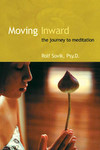
Rolf Sovik shows readers of all levels how to transition from asanas to meditation. Combining practical advice on breathing and relaxation with timeless asana postures, he systematically guides us through the process. This book provides a five stage plan to basic meditation, step-by-step guidelines for perfect postures and six methods for training the breath. Both the novice and advanced student will benefit from Sovik’s startling insights into the mystery of meditation.
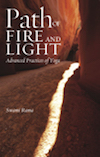
Essential reading for all serious hatha yoga students. Swami Rama provides an in-depth study of swarodaya, the science of breath, with step-by-step instruction on advanced pranayama exercises. In Path of Fire and Light, Swami Rama shares with Western students, for the first time, remarkable and practical information on the systematic techniques of an ancient and profound tradition of spiritual growth. The ancient yogic teachers and sages developed a powerful and subtle science of breath, swarodaya, by which they intensified their sensitivity to body and mind and successfully attained their ultimate goal: Self-realization. As a practical guide to the systematic science of swarodaya, this book is essential reading for all serious advanced students.
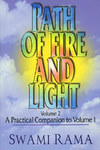
As a practical and inspiring guide to the systematic science of the path of meditation, this book is essential reading for all serious students. Note: Path of Fire and Light, Volume II can be used independently and before Volume I. This is a comprehensive guide to yoga that covers: understanding the mind and the states of consciousness, transforming negative thought patterns, relationships, the power of determination and will, the first steps toward self-transformation, kundalini and the chakras, and yoga nidra.
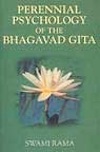
This authoritative translation and commentary makes a timeless Eastern scripture as useful today as it was centuries ago. Swami Rama draws out the psychological concepts of this immortal text and makes them accessible to all students. Spiritual seekers, psychotherapists, and students of Eastern studies will all find a storehouse of wisdom in this volume. This book deals with analyzing and training the internal states of the human being so that one can be active in the external world while maintaining a state of tranquility.
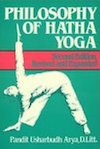
A newly revised an expanded version of a popular an unique work, this extraordinarily valuable introduction discussion of the philosophy of hath yoga is indispensable to any student of yoga. This clear and easy to follow exposition views hatha within the framework of raja yoga, the yoga of eight complements, as promulgated by Pantanjali, the author of Yoga Sutras, the most authoritative text on the science of yoga. Hatha should not be merely a system of physical exercise: this work emphasizes the paramount role that the mind plays in hatha yoga, and demonstrates how to elevate the practices of hatha to an inner spiritual experience. This study outlines how the practice of hatha yoga can serve as a means to understand the subtler essences of mind and prana and to prepare for meditation and the awakening of the kundalini force.
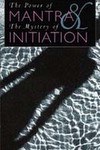
The sacred word has been a universal source of wonder, excitement, and mystery throughout the ages. The yogic tradition calls mantra “the word which protects by being repeated.” Connecting you to the Divine, mantras can transform your life. Making this 6,000 year-old esoteric science both accessible and practical, Pandit Tigunait explains the process of mantra initiation and how the use of mantra can bring about a sense of peace and spiritual enfoldment.
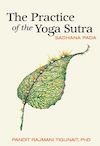
The Yoga Sutra—profound, perfect, and rooted in the wisdom of the sages—has long been regarded as the final authority on yoga philosophy and practice. Grounded in experiential wisdom, it is a practical guide on how to attain the inner radiance and eternal joy that the great masters declare to be our birthright. In The Practice of the Yoga Sutra: Sadhana Pada, Pandit Tigunait gives us a clear message: by unlocking the hidden power of Patanjali’s eight rungs of yoga, we can transcend the stress and challenges of day-to-day life and experience our full human potential. Here for the first time, we find insight into rare master practices that are exclusive to the 5,000-year-old living tradition of the Himalayan Masters. Sharing his own experience gained through decades of advanced practice, Pandit Tigunait shows us how the wisdom of the Yoga Sutra is the gateway to infinite possibilities, leading us to the highest promise of yoga—lasting fulfillment and ultimate freedom.
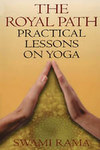
Swami Rama was the first Himalayan yogi to demonstrate to the Western scientific community the astonishing level of self-mastery achieved by Indian adepts. In the Royal Path he introduces us to the ancient yogic techniques as they’re practiced by those who attain the highest goal of life. In this step-by-step program, Swami Rama outlines the basic physical exercises, mental disciplines, and ethical commitments of Raja Yoga, the “Royal Path” to self-transformation and enlightenment. The Royal Path is an enduring classic, one of the clearest and most inspiring introductions to yoga science available in English. Whether our goal is improved health, emotional balance, enhanced creativity, or spiritual exploration, the practices Swami Rama describes here hold the key.
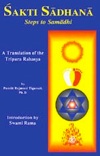
The knowledge that enlightens the aspiring student into the mystery of life here and hereafter is the Tripura Rahasya. The text is one of the most significant scriptures in the tradition of tantra yoga. Its beauty lies in the fact that it expounds the lofty knowledge of inner truth while systematically offering practical instructions on sakti sadhana: the task of awakening the dormant fire within and leading it to higher awareness, or the highest chakra.
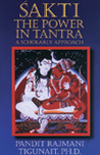
The unfoldment of sakti, the power inherent in the core of our being, is the key to all worldly and spiritual success. All spiritual traditions, particularly tantra, aim at awakening this dormant power within us. Because it is so vital to our inner growth, without having an in-depth knowledge of the role of sakti, the study and practice of any spiritual tradition is like farming barren ground.
The subject matter of this work, while seemingly focused only on sakti, nevertheless opens doors to a vast range of tantric philosophy and practices. It clarifies how tantric philosophy and practice unify the concepts of yantra, mandala, mantra, chakra, kundalini, deities, and ritualistic and meditative practices. It also explains the relationship among the different branches of tantra and tackles the controversial issues concerning the right- and left-handed tantric practices.
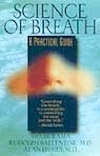
People laughed at the image of pretzel-legged yogis focusing on the tip of their noses- until Swami Rama walked into a laboratory and showed scientists what a yogi with control over his respiration can actually do. Before astonished researchers, he demonstrated perfect control over his heart rate and brain waves – control physiologists hadn’t believed humans could possible achieve. In this book – Swami Rama shares some of the basic breathing techniques practiced by the Himalayan yogis so that we can begin immediately working with this powerful ancient science.
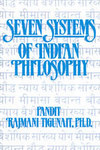
A concise and thorough outline of the major schools of Indian philosophy in a manner both highly accurate and easily understandable. Pandit Tigunait skillfully provides an overview that is in accord with the strict standards of tradition and scholarship. He systematically explains for the novice Western student. The systems reviewed are Buddhism, Nyaya, Vaisheshika, Sankhya, Yoga, Mimamsa, and Vedanta.
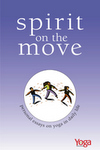
This collection of personal essays, originally printed in Yoga International Magazine, shows how yoga enriches our daily lives – how the peace and clarity it brings us translates to our families, careers and our interactions with others.
Divided into four sections it provides insights from hatha yoga teachers and students, people facing illness and people recovering, those new to yoga and those already initiated. As we read these first-hand accounts, we gain insights on how our dilemmas are shared by others; how the inner peace we attain can be extended to outer levels; how to move gracefully and skillfully through obstacles and opportunities and how to be ever mindful of the real purpose of our journey.
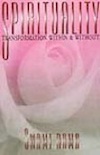
Today, we have access to every conceivable kind of knowledge about the world around us, yet few of us have even the dimmest knowledge of our innermost selves. Swami Rama – one of the most influential yogis to visit the Western world in the twentieth century – was raised in the cave monasteries of the Himalayas, where the central tenet of education was to first know one’s own inner being. Leaving the idyllic world of the meditation masters behind, Swami Rama was shocked by the ignorance and corruption he found everywhere around him. In Spirituality: Transformation Within and Without, Swami Rama calls on us all to return to the fundamental values of mankind, especially as they are articulated by the sages who founded the world’s great religions. He asks us to integrate these values with the insights of science to create a more enlightened society, and to find our own inner truth.
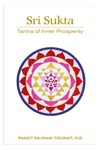
Sri Sukta—a cluster of sixteen Vedic mantras dedicated to the Divine Mother—is one of the greatest gifts to humanity given to us by the ancient sages. These awakened mantras empower us to pull the forces of abundance and nurturance toward ourselves so we can experience life’s fullness.
Sri Sukta: Tantra of Inner Prosperity is the modern practitioner’s guide to these mantras. Pandit Rajmani Tigunait’s beautiful translation, commentary, and delineation of the three stages of formal practice help us unravel the mystery of Sri Sukta. This volume offers a rare window into the highly guarded secrets of Sri Vidya tantra—the heart of a living tradition—and reveals the hidden power of these mantras.
The wisdom of Sri Sukta is needed now more than ever. It holds the key to our individual peace and prosperity, and to a collective consciousness healthy and rich enough to build an enlightened society.
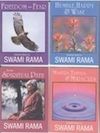
The stories collected in this inspirational gift edition are selected from the best selling Living with the Himalayan Masters. Freedom from Fear contains six stories of Swami Rama’s experiences with fear. Each story ending with a comment on how to deal with these situations and what we can gain from them. This four book gift set excerpted from Living with the Himalayan Masters is beautifully sized for travel.
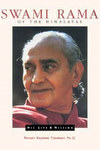
The life of Sri Swami Rama is one of the great spiritual journeys of our time. Here is a celebration in words and pictures of a remarkable life lived selflessly in service to humankind-the most comprehensive portrait available. Written with love and insight by Pandit Tigunait, this book contains hundreds of photographs plus a rich collection of the master’s own words.
This powerful book describes authentic tantra, what distinguishes it from other spiritual paths, and how the tantric way combines hatha yoga, meditation, visualization, ayurveda and other disciplines. Taking us back to ancient times, Pandit Tigunait shares his experiences with tantric masters and the techniques they taught him. Tantra Unveiled is most valuable for those who wish to live the essence of tantra–practicing spirituality while experiencing a rich outer life.
“Pandit Rajmani is perhaps the most important teacher of tantra in American today.” -David Frawley, author of Yoga and Ayurveda
In The Art of Joyful Living, Swami Rama imparts a message of inspiration and optimism: that you are responsible for making your life happy and emanating that happiness to others. This book shows you how to maintain a joyful view of life even in difficult times.
Contains sections on transforming habit patterns, working with negative emotions, developing strength and willpower, developing intuition, spirituality in loving relationships, learning to be your own therapist, understanding the process of meditation, and more!
“Your culture teaches you to smile at others, but such smiles are only momentary and do not reflect your real feelings. Actually, there should be a perennial and real smile on your face all the time. To achieve that, you should have a clear concept of the meaning of life, and the philosophy of life. Then, you will start to live on a deeper level, and will begin to enjoy your life… When you understand your real responsibility in life, you will know that every human being is responsible to make his life happy, and then to emanate that happiness to others.” -Swami Rama
Paul Blakey, formerly an international ballet dancer and now a practicing osteopath, has written and illustrated this book to help everyone who needs to know more about their own muscles and how to look after them. Clearly identifies all major muscles of the human body and shows how they work. For each muscle there is information about first aid by massage and an indication of dangers to watch out for.
It is said that every poet has a touch of mysticism, but Kabir’s poetry is both highly mystical and at the same time realistic. Kabir drew from many sources and synthesized the best from each to create a poetry that appeals to many diverse cultures. His poems have a timeless quality, making them as appropriate to the modern world as they were to the fifteenth century.
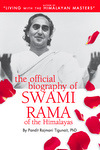
This book is much more than a biography of a great sage of the Himalayas who mastered the practices of yoga and brought to the West a system for understanding the mysteries of body, mind, and spirit. It features the timeless wisdom, teachings, and astonishing stories of the Himalayan Masters and their ancient spiritual tradition. Like the life of Swami Rama, these pages go deeper than a sequence of astonishing events. They also serve as a guide to the advanced practices of yoga and tantra. And they bring you to holy places in India, revealing why these sites are important. As you read Pandit Tigunait’s tales of life with his master you will feel a few drops from the timeless stream of the tradition of the Himalayas planting themselves in your own heart.
"A rare glimpse into a masterful teacher. Very inspiring and well written." -Lilias Folan, of the PBS yoga series Lilias!
"It's a book you'll want to read over and over again." -Yoga Chicago
"Pandit Tigunait presents a riveting and enlightening biography of the master he loves and respects, interweaving the story of Swami Ramas life, philosophy, and experiences with the wisdom of the masters throughout the ages." -Library Journal
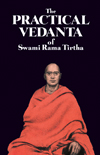
The strong, free words of Swami Rama Tirtha spread hope throughout East and West at the turn of this century. The short career of this brilliant scholar and sage led him from the sublime heights of the Himalayas to Japan, Egypt, and far around the Western world to the United States where he translated the ancient philosophy of Vedanta into practical, modern terms. This new collection of Rama Tirtha’s works presents remarkable selections from the lectures, letters, poems, and notebooks which were left by the young saint. Great truths of Eastern thought are taught with simple reason and illustrated with profound and humorous tales. Essays from his personal journal describe spiritual experiences in deep mountain solitude. At heart a joyful poet, Rama Tirtha’s spirit soared in the pure beauty of nature. Playful and far-ranging thoughts reflect the wisdom and love of a true man of God. Every modern reader of Practical Vedanta will find inspiration in Swami Rama Tirtha’s essential philosophy of self-realization.
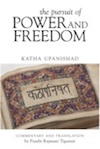
This is a new translation, with an extensive commentary, of the Katha Upanishad. It is a dialogue between an accomplished master, Yamaraja, and an ardent seeker, Nachiketa. Their burning desire for unveiling the mysteries of life enabled them to invest all their resources–physical, mental, and spiritual–in the pursuit to live and not to die.
Step-by-step, testing Nachiketa’s preparedness for the highest truth, Yamaraja ultimately imparts Brahma vidya, the science and knowledge of the highest truth, on his student. This science, according to the scriptures, is absolute and transcendental–the essence of our soul. In order to receive this gift we learn the steps necessary to prepare ourselves: how to cultivate a clear, calm, and tranquil mind, release the grip of our desires, shake off our inertia, and nurture a compassionate heart.
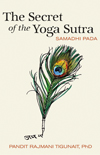
The Yoga Sutra is the living source wisdom of the yoga tradition. Using it as a guide, we can unlock the hidden power of yoga, and experience the promise of yoga in our life. The Yoga Sutra is as fresh today as it was 2200 years ago when it was discovered by the sage Patanjali. By applying its living wisdom in our practice, we can achieve the purpose of life: lasting fulfillment and ultimate freedom. The Secret of the Yoga Sutra is the first practitioner-oriented commentary which is fully grounded in a living tradition. It shares the essence of Pandit Tigunait’s rigorous scholarly understanding of the Yoga Sutra, through the filter of experiential knowledge gained through decades of advanced yogic practices, and enriched by the gift of living wisdom he received from the masters of the Himalayan Tradition.
“The Yoga Sutra’s message is simple and straightforward: Remove the veil of darkness and allow your intrinsic luminosity to illuminate both your inner and outer world. Be free here and now, and experience your everlasting self-luminous joy. The goal of yoga is nothing less than that. In this light, I present this commentary to you.”
-Pandit Rajmani Tigunait
The Secret of the Yoga Sutra
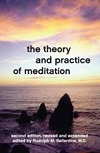
Available again after many years, this classic collection of essays shares valuable insights into the nature and dynamics of meditation. The contributors to this volume — some of the best-versed scholars and health professionals in their fields — are unique in that they not only excel in their knowledge, but also in their efforts to integrate the principles they have learned and taught into their own lives. Their penetrating reflections convey a well-rounded understanding of meditation as a systematic path to achieve mental and emotional well-being — and self-realization.
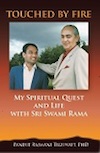
This is the autobiography of Pandit Rajmani Tigunait, Ph.D.The story follows him from his boyhood in Amar Garh, a traditional village in northern India, all the way to his current life as the spiritual head of the Himalayan Institute.We meet Tigunait’s family, headed by a once-prosperous Raj Purohit (a religious teacher) who has seen his wealth dwindle in the face of political and social upheaval.
Along with him, we meet a variety of saints and spiritual masters who add to Tigunait’s understanding of the Divine Mother, teach valuable meditation techniques, lifestyle choices, and powerful mantras, and change the course of his life.
"Touched by Fire is a living and practical guide for seekers on the path of truth and light. It sings with cultural revelation and rich imagery. Pandit Tigunait leads the reader through the unseen warfare with the ego to his real divine self, burned by the FIRE of faith. It is an inspired book worthy to be read and practiced. I am grateful to Panditji" -Ambassador Wafik Kamil, PhD Egyptian Ambassador to India - Secretary General, Asian African Legal Consultative Organizaton for the UN
" 'My inner calling demanded that I find something more fulfilling than simply trading time for money,' the author wrote in Chapter 5. 'Amen!' I say. That belief is the wellspring from which Pandit Tigunait's story we see a breathtaking example of what happens when we place spiritual pursuits ahead of material ones." -Jatin Desai CEO, Desai Learning
"Touched by Fire offers a rare glance into the wisdom of the Himalayan sages, made clear and relevant for people of all traditions and cultures. From his humble origins in traditional orthodox Hinduism, Pandit Rajmani has emerged on the world stage as a torch bearer of this ancient wisdom, offering this pure light freely and with the heartfelt prayer that it ignite the fire in all of our hearts." -Gary Kraftsow, Author of Yoga for Wellness and Yoga for Transformation, Director of American Viniyoga Institute
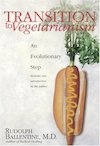
This book explores the health issues surrounding vegetarianism and helps the aspiring vegetarian make the transition in a way that provides the greatest benefits. Well-researched and easy-to-read, this is an excellent resource for both seasoned and would-be vegetarians.
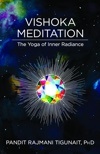
Imagine a life free from pain, sorrow, and negativity and infused with joy and tranquility. The ancient yogis called this state vishoka and insisted that we all can achieve it. The key is a precise set of meditative techniques designed to unite mind and breath and turn them inward, allowing us to heal and rejuvenate ourselves on every level of our being.
In Vishoka Meditation: The Yoga of Inner Radiance, Pandit Tigunait makes meditation as practiced by the ancient yoga masters accessible to a modern audience, offering step-by-step instructions to guide us to this illumined state of consciousness. Grounded in the authentic wisdom of a living tradition, the simple—yet profound—practice of Vishoka Meditation is the perfect complement to your existing yoga practice, as well as a powerful standalone meditation practice.
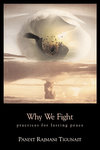
“The enlightened multitude can stop the injustice brought about by a handful of people.”
War is an ancient-and primitive-way of dealing with conflict. Why can’t we find a better way? What are the root causes of violence? Is it possible to build a truly lasting peace? If so, where do we begin?
The world’s traditions teach us that change in society begins at the individual level. Drawing on the philosophy of yoga and other spiritual systems, Why We Fight: Practices for Lasting Peace offers practical tools for self-transformation. Through contemplation and spiritual practice we can replace greed, desire, jealousy, and anger with compassion, tolerance, and love for ourselves and others.
Cultivating these qualities in our daily lives gives us the power to change the world. Previously titled Yoga on War and Peace. This revised edition features a new foreword by Deborah Willoughby, editor of Yoga International magazine, and a new chapter of inspirational contemplations drawn from all the world’s spiritual traditions.
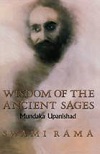
In Wisdom of the Ancient Sages, Swami Rama shares with the modern reader the powerful and inspiring teachings of one of the world’s greatest spiritual texts—the Mundaka Upanishad. This beautiful translation and commentary affirms the core, essential nature of the human being as complete, peaceful, creative, and transcendent, and describes the process by which we can experience our inner nature. Its message will assist anyone who seeks to walk the path of personal and spiritual development.
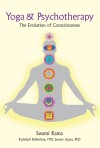
Often used as a college text, Yoga and Psychotherapy provides an in-depth analysis of Western and Eastern models of the mind and their differing perspectives on such functions as ego, instinct, and consciousness.
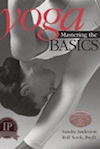
This book covers all aspects of yoga practice including postures, breathing, relaxation, meditation, lifestyle and fundamental philosophy. Provides two illustrated posture sequences and has 420 photographs.
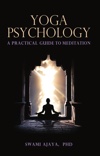
A clear and easy-to-understand guide which teaches the fundamentals of meditation. Questions which inevitably arise in the mind of the beginning yoga student and misconceptions about yoga are discussed. The author explains how to meditate and includes instructions on correct posture and proper breathing techniques.
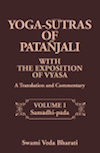
Designed expressly for the serious practitioner of yoga, this is an outstanding work of scholarship that is practical, even to those students who have no previous familiarity with the Yoga Sutras. This volume includes an overview of Sankya-yoga and an extensive Glossary/Index.
Hindi
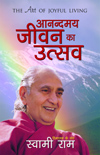
In The Art of Joyful Living, Swami Rama imparts a message of inspiration and optimism: that you are responsible for making your life happy and emanating that happiness to others. This book shows you how to maintain a joyful view of life even in difficult times.
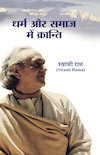
Today, we have access to every conceivable kind of knowledge about the world around us, yet few of us have even the dimmest knowledge of our innermost selves. Swami Rama, one of the most influential yogis to visit the Western world in the twentieth century, was raised in the cave monasteries of the Himalayas, where the central tenet of education was to first know one’s own inner being. Leaving the idyllic world of the meditation masters behind, Swami Rama was shocked by the ignorance and corruption he found everywhere around him. In Dharam Aur Samaj Mei Kranthi, Swami Rama calls on us all to return to the fundamental values of mankind, especially as they are articulated by the sages who founded the world’s great religions. He asks us to integrate these values with the insights of science to create a more enlightened society, and to find our own inner truth.
“I will tell you how I grew up and how I was trained, about the great sages with whom I lived and what they taught me, not through lectures and books but through experiences,” writes Sri Swami Rama in the opening pages of this timeless saga. These stories record his personal quest for truth and enlightenment. Inspiring, illuminating, entertaining, mystifying, and frequently droll and humorous, they bring you face-to-face with some great Himalayan Masters including Mataji of Assam – a ninety-six year old lady sage who never slept; Gudari Baba, who taught Swami Rama the value of direct experience; Yogi Sri Aurobindo, who integrated meditation with action; Uria Baba, who teaches that every human being has the potential for healing; Mahatma Gandhi, the Father of the Nation.
"Buy this book for yourself. Each page is filled with joy and cheer. What I like best is that Swami Rama's message does not require us to transform ourselves, it teaches that we are already perfect." -Judith Benn Hurley, author of The Good Herb, Savoring the Day, and Healing Secrets of the Seasons
"This beautifully written book is about freedom in its ultimate sense, highly recommended for its ephemeral wisdom and endless depth." -Napra Review
"A complete and practical guide to the foundations of the spiritual journey ... The vividness of the stories is absorbing, allowing them to be read over and over again." -New Age Book Review
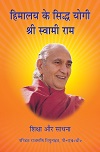
Himalaye Ke Siddha Yogi is the long-awaited Hindi biography of Sri Swami Rama, sharing the spiritually-illuminating story of his early adulthood, and experiences with the great Himalayan masters. This book includes a rare, detailed account of the life of Swami Rama’s master, the acclaimed sage Bengali Baba, and shares Swamiji’s precious experiences with his master.
This volume is based on the Hindi translation of the first several chapters of the best-selling ‘Official Biography of Sri Swami Rama’, translated by the author, Pandit Tigunait, himself. It is a classic book which will help modern seekers understand the spiritual training and quest for mastery of one of the greatest sages of the 20th century—Sri Swami Rama.
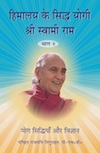
Himalaye Ke Siddha Yogi: Yog Siddhiya aur Vigyan is the second volume of the long-awaited Hindi biography of Sri Swami Rama, sharing the spiritually-illuminating story of his early adulthood, and experiences with the great Himalayan masters. This book includes a rare, detailed account of the life of Swami Rama’s master, the acclaimed sage Bengali Baba, and shares Swamiji’s precious experiences with his master. This volume is based on the Hindi translation of the best-selling ‘Official Biography of Sri Swami Rama’, translated by the author, Pandit Tigunait, himself. It is a classic book which will help modern seekers understand the spiritual training and quest for mastery of one of the greatest sages of the 20th century—Sri Swami Rama.
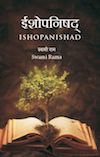
This title is a commentary on one of the most celebrated of the Upanishads, the sacred scriptures that form the basis of spiritual thought in India. Serving both as an introduction to yoga philosophy and as a careful guide for scholars, this excellent study begins with a history of the Upanishads, which are the world’s oldest written source of knowledge. This scripture explains the essential questions of the nature of God, the origin of ignorance and illusion, and the levels of mind and consciousness.
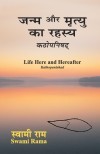
Based on the encounter between Yama, the King of Death, and Nachiketa, the seeker of death’s meaning, this book examines the mystery and challenge of death. The story is taken from the Kathopanishad, one of the most important and ancient of all the scriptures. A philosophical understanding of the meaning and purpose of life and death is presented, along with a practical psychology for coping with life and for overcoming the fear of death.
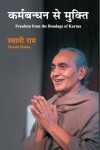
Karma – the activity of doing and being – is traditionally symbolized as a rope of many strands, made of actions, thoughts, desires, and the latent tendencies of personality which lie hidden in the depths of the subconscious mind. The effect of these constituent aspects of karma is to keep the mind in a state of constant agitation and outward-directedness in search of appeasement. The result is enslavement to the many objects, ideas, fantasies, and pleasures which vie for the mind’s attention. As long as the mind remains in this scattered and dissipated condition, there can be no hope of freedom from karma.
In the eight lectures included in this volume, Swami Rama offers a series of perspectives on man’s most significant responsibility – that of self-understanding. Analyzing the mechanisms of karma and the functioning of mind, Swamiji demonstrates the kind of self-study each student of life must undertake to gain liberation and attain freedom from the bondage of karma.
Regional Languages
Malayalam
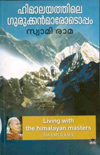
With his book Himalayathile gurukanmarodoppam he has attracted the world towards spiritualism and meditation. The book, Swami Rama—Jeevacharithram narrates Swami Ramas life completely. His experience with Himalayan saints and about the Bengali Babu is mentioned in this book. The most important time of Swami Rama, his life in foreign country, is also mentioned in the book.
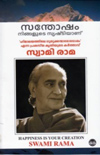
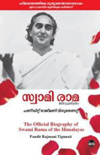
The book, “Swami Rama—Jeevacharithram” narrates Swami Rama’s life completely. His experience with Himalayan saints and about the Bengali Babu is mentioned in his book “Himalaythile gurukanmarudoppam”. The most important time of Swami Rama, his life in foreign country, is also mentioned in the book. The book is translated into Malayalam by Rema Menon. A script writer, Rema has also transcripted other best sellers like The Alchemist, Fifth Mountain, Chekuttanum oru penkidavum, and The Kite Runner.
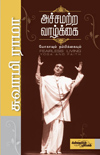
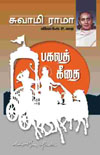
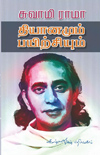
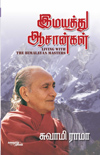
Tamil
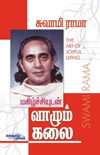
Other
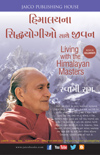
“I will tell you how I grew up and how I was trained, about the great sages with whom I lived and what they taught me, not through lectures and books but through experiences,” writes Sri Swami Rama in the opening pages of this timeless saga. These stories record his personal quest for truth and enlightenment. Inspiring, illuminating, entertaining, mystifying, and frequently droll and humorous, they bring you face-to-face with great Himalayan masters, including:
- Mataji of Assam, a ninety-six-year-old lady sage who never slept
- Gudari Baba, who taught Swami Rama the value of direct experience
- Yogi Sri Aurobindo, who integrated meditation with action
- Uria Baba, who taught that every human being has the potential for healing
- Mahatma Gandhi, the Father of the Nation
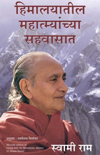
In Living With The Himalayan Masters, Swami Rama recounts his experiences from his spiritual journey to seek truth. He writes in detail about the sacred teachings that he received from several great sages. This book documents Swami Rama’s spiritual quest, which showed him that direct experience is the source of real knowledge.
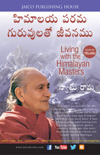
“I will tell you how I grew up and how I was trained, about the great sages with whom I lived and what they taught me, not through lectures and books but through experiences,” writes Sri Swami Rama in the opening pages of this timeless saga. These stories record his personal quest for truth and enlightenment. Inspiring, illuminating, entertaining, mystifying, and frequently droll and humorous, they bring you face-to-face with great Himalayan masters.
E-Books
Restore a natural vitality to the body and mind! Ideal for yoga teachers and students alike. Illustrates a set of simple, pleasant stretching exercises that can be enjoyed by everyone. Yoga postures are designed to systematically exercise different parts of the body in a gentle, pleasant way. The exercises outlined are not athletically challenging and require only moderate strength, making them suitable for all students. Learn how to gradually strengthen your muscles o that the body can become comfortable again and held in a natural position.
Fearless Living is a sampling of Swami Rama’s many anecdotes – true stories of faith, protection, and revelation as he actually lived them. Each chapter addresses such challenging faith-related subjects as fearlessness, miracles of healing, and the astonishing abilities of a one-pointed mind. Swami Rama uses his experiences to illustrate how spiritual practice can help us unveil higher, hidden dimensions of our nature.

Learn what forgiveness is – and isn’t – and how to overcome the obstacles blocking it. Approached from a yogic perspective, Forgiveness, The Path to Happiness, offers a wealth of techniques that help us practice and perfect the “learned process” of forgiveness.
From Death to Birth takes us along the soul’s journey from death to birth, dispelling the frequent misconceptions about this subject by revealing little-known, powerful truths. Through a series of lively stories drawn from the ancient scriptures and his own experience, Pandit Tigunait reveals what karma really is, how we can create it, why it becomes our destiny, and how we can use it to shape the future of our dreams.
Inspirational teachings excerpted from Living with the Himalayan Masters that identify the causes of unhappiness and provide direction to keep centered and joyful.
Elements of yoga practices have become increasingly popular with both medical and mental health professionals, as well as the subject of much empirical research. Meditation, one of yoga’s most important practices, has been found effective in the treatment of a wide variety of physical and psychological problems, including coronary artery disease, chronic pain, anxiety, and depression. In Western therapies, mind, body, and spirit are separated into three distinct areas, with specialists who deal with each facet of the human being independently. However, in the yogic model, medical, psychological, and spiritual needs are dealt with synergistically. A fundamental tenet of yoga therapy is that there is body, mind, and spirit integration.
Yoga is a philosophy of life and a systematic science that enables us to realize our true nature and experience our union with the Divine. Inner Quest weaves together hundreds of answers to the questions that well up from within our heart as we travel the spiritual path. Topics include: reincarnation, relationships, karma, death and dying, understanding the mind, health and healing, meditation, and more.
In this inspirational collection of stories, Swami Rama relates his experiences with the great teachers who guided his life, including Tagore, Mahatma Gandhi, Sri Aurobindo, and Ramana Maharshi. This book documents Swami Rama’s spiritual quest, which showed him that direct experience is the source of real knowledge.
In this practical guide to inner life, Swami Rama-one of the most advanced yoga masters to visit the West-teaches us how to slip beyond the mental turbulence of our ordinary thought processes into an infinite reservoir of consciousness from which we can draw guidance, creative power, joy, and tranquility. The techniques presented here have been used by the sages of India from time immemorial to live in harmony with the world around them, to find strength to face life’s difficulties, and to know themselves.
Rolf Sovik shows yogis of all levels how to transition from asana to meditation. Combining practical advice on breathing and relaxation with timeless asana postures, he systematically guides us through the process. This book provides a five-stage plan to basic meditation, step-by-step guidelines for perfecting postures and six methods for training the breath. Both the novice and advanced student will benefit from Sovik’s insight into the mysteries of meditation.
An inspiriting guide to the systematic science of the path to meditation. Shows how to understand the mind.
Practical information on the advanced practices of yoga presented in straightforward language.
The Tripura Rahasya is one of the most important and accessible scriptures of the tantric yoga tradition. Its beauty lies in its skillful blending of lofty philosophical inquiry into inner realities with systematic practical instructions on sakti sadhana – the task of awakening the dormant fire within and attaining higher awareness.
Proper breathing helps us achieve physical and mental health and attain higher states of consciousness. Science of Breath describes the anatomy and physiology of breathing, as well as the subtle yogic science of prana. Basic yogic breathing techniques are explained so that we can immediately begin working with this powerful science.
This collection of personal essays, originally printed in Yoga International magazine, shows how yoga enriches our daily lives – how the peace and clarity it brings us affects our families, careers, and interactions with others. As we read these first-hand accounts, we gain insights on how our personal dilemas are shared by others; how the inner peace we attain can be extended to outer levels; how to move gracefully and skillfully through obstacles and opportunities, and how to be ever-mindful of the real purpose of our journey.
Contains chapters on culture and civilization, religion, the existence of God, and self-realization with a message for society to return to fundamental values.
This powerful book describes authentic tantra, what distinguishes it from other spiritual paths, and how the tantric way combines hatha yoga, meditation, visualization, Ayurveda, and other disciplines. Taking us back to ancient times, Pandit Tigunait shares his experiences with tantric masters and the techniques they taught him. Tantra Unveiled is most valuable for those who wish to live the essence of tantra – practicing spirituality while experiencing a rich outer life.
This book shows how to maintain a joyful view of life even in difficult times and gives methods for transforming habit patterns, developing intuition, cultivating strength and will power, and more. Swami Rama imparts a message of inspiration and optimism — that every person is responsible for making his life happy and emanating that happiness to others. Whether you are on a spiritual quest or are simply looking for a way to improve your life, The Art of Joyful Living offers a simple philosophy of living and practical suggestions for being happy.
This book explores the lives of eight Himalayan sages who held the distilled wisdom and power of the world’s spiritual traditions. These sages belonged to a universal tradition that emphasizes the direct experience of truth, one not limited by bounds of religion, nationality, geography, era, or race. Pandit Tigunait recounts stories and recorded dialogue that bring the experiences of these sages to life. These eight Himalayan masters knew how to live with success in the world while experiencing the innermost truths of existence. Learning about their lives will give you the practical insight you need to find your own way to such wisdom and truth.
This book is a valuable resource that provides a deeper understanding of mantras than most books. Making this ancient science both accessible and practical, Pandit Tigunait explains the process of mantra initiation and how the use of a mantra can bring about a sense of peace and the unfolding of our spiritual selves.
The wisdom of the Katha Upanishad is revealed in the story of a young boy, Nachiketa, who compelled the Lord of Death to reveal the secret of what happens after we die. Nachiketa wants to know the answers to life’s most enduring questions – What happens after we die? How can we find true happiness? What is truly worth having? What is the nature of reality? Step by step, testing Nachiketa’s preparedness for the highest truth, the Lord of Death ultimately imparts brahma vidya, the science and knowledge of the highest truth, to his student. Divided into three sections – extensive commentary, English translation, and Sanskrit text with transliteration – The Pursuit of Power and Freedom is a valuable reference both for scholars and for those beginning their study of the Upanishads.
The Royal Path provides a comprehensive overview of raja yoga. This complete primer outlines the basic physical exercises, mental disciplines, and ethical commitments of raja yoga, taking us from the practice of mindfulness in relationships to the means of achieving spiritual absorption.
This is the inspiring autobiography of one man’s quest for a more peaceful, spiritual approach to life. Spanning the years from his childhood in a remote village in India to his current role as Spiritual Head of the Himalayan Institute, this vivid account reveals his experiences and encounters with numerous teachers, sages, and his mentor, Swami Rama. Touched by Fire is a heartfelt book offering many valuable lessons.
Provides and in-depth analysis of Western and Eastern models of the mind and their differing perspectives.
Audiobooks
Make your mind more focused and “one pointed” with the 31 Points Exercise, the 61 Points Exercise (Shavayatra), and the 75 Breaths Exercise (Shitili Karana). These advanced techniques are designed to help you learn to relax and meditate and also to build on the foundation of the four relaxation methods presented in Guided Yoga Relaxations. These practices are the perfect preparation for Three Guided Meditations, also by Dr. Sovik.
On the surface, this is a biography of an accomplished seeker who mastered the practices of yoga and brought a system for understanding the mysteries of body, mind, and spirit to students in the West. But, like the life of Swami Rama, this audiobook offers more than a sequence of astonishing events. As you read the stories of authentic guru-disciple relationships Swami Rama had both with his master and with his own students, you will see how the spiritual wisdom is transmitted through generations. This book also serves as a guide to advanced practices of yoga and tantra not commonly understood in modern times.
The wisdom of these stories is beyond the power of words. As you read Pandit Tigunait’s account of life with his master, you will feel drops from the timeless stream of the Himalayan Tradition infusing your heart with wisdom and understanding.
What happens when we die? How does our present life shape our future? What part of us survives death? From Death to Birth takes us on a vivid tour of the soul’s journey from one lifetime to another, revealing little known or understood aspects of spiritual life along the way. Through a series of lively stories drawn from the ancient scriptures and his own experience, Pandit Rajmani Tigunait reveals the truth about karma, how we create it, why it becomes our destiny, and how we can use it to shape the future of our dreams.
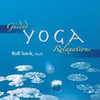
Refresh your energy and reduce stress the natural way. Four relaxation and breathing methods will help you soothe anxiety, improve sleep, and reduce stressful thoughts and emotions. In less than 15 minutes you’ll feel rested and renewed.
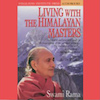
Inspirational stories of Swami Rama’s experiences and lessons learned with the great teachers who guided his life including Mahatma Gandhi, Tagore, and more, on 5 cassettes. 7 hours, 30 minutes—in scopy
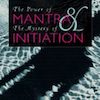
The sacred word and its power to illuminate and transform our lives lie at the core of the Judeo-Christian, Buddhist, Sufi, and Islamic traditions. By drawing on stories from his own experience and from the lives of the sages, Pandit Tigunait makes this esoteric science accessible to a 21st-century audience. He explains what a mantra is, why various classes of mantras bring different results, and how to use the power inherent in a meditative mantra to awaken inner peace and fuel spiritual enfoldment. Seekers in all times and from all traditions have made the journey from transitory pleasures to eternal joy with help from the science of mantra. This book is for anyone who longs to join them.
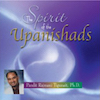
When knowledge was on the decline and meaningless ritualism was on the rise in ancient India, self-realized masters wrote the Upanishads to revive the authentic wisdom of the Vedas.
Pandit Rajmani Tigunait explains that the Upanishads are simply training manuals telling you how to know yourself at every level. He reveals how to attain peace and freedom by living fully in the external world, using its objects to create inner fulfillment and knowledge. Then, as you work on the process of introspection and self-discovery, you will develop the health and power to be a light to others.
Pandit Rajmani Tigunait, Ph.D., the spiritual head of the Himalayan Institute, is the successor of Swami Rama of the Himalayas. Lecturing and teaching worldwide for more than a quarter of a century, he is a regular contributor to Yoga + Joyful Living magazine (formerly Yoga International), and the author of 14 books, including his autobiography, Touched by Fire: The Ongoing Journey of a Spiritual Seeker and the best-selling At the Eleventh Hour: The Biography of Swami Rama of the Himalayas.
Pandit Tigunait holds two doctorates: one in Sanskrit from the University of Allahabad in India, and another in Oriental Studies from the University of Pennsylvania. Family tradition gave Pandit Tigunait access to a vast range of spiritual wisdom preserved in both the written and oral traditions. Before meeting his master, Pandit Tigunait studied Sanskrit, the language of the ancient scriptures of India, as well as the languages of the Buddhist, Jaina, and Zorastrian traditions. In 1976, Swami Rama ordained Pandit Tigunait into the 5,000-year-old lineage of the Himalayan masters.
Thousands of years ago, self-realized masters compiled their direct experiences and inner wisdom in the form of the Vedas. This presentation gives you the key to make the universal, non-sectarian teachings of these ancient scriptures an integral part of your life.
Pandit Rajmani Tigunait, explains how the essence of the Vedas directs you to awaken your own inner fire and become a light to yourself and the worlds, and how to live a life of harmony and happiness.
Meditation is an inward journey, a door to self-discovery. These three meditations from the yoga tradition provide a comprehensive introduction to meditation. These practices help to develop a cheerful, clear, and calm mind, bringing about a gradual transformation of consciousness. Use any one of them for daily practice to experience inner focus, the awakening of an inner calm, and harmony of body and mind.
Contact Us
The Himalayan Institute is a leader in the field of yoga, meditation, spirituality, and holistic health, and was founded by Sri Swami Rama of the Himalayas.

Subscribe to our Newsletter
Bookstore Checkout
Follow the instructions below to complete your purchase.
How to Order
Note—We only accept orders shipped to locations within India and paid for in Indian rupees from an Indian bank account
- Fill out the order form below
- Calculate the final total order cost by adding cost of all the books you have selected. If you have selected 2 or more books, you are eligible for 15% discount.
- Click ‘Submit’ and then make note of our bank details so you can make an e-payment. Himalayan Institute Netbanking details are provided after you click ‘Submit’.
- Our office will contact you confirming receipt of your order. Only then transfer the total sum into our account, following which your books will be dispatched via courier.
Shipping Cost
As a benefit of ordering directly from Himalayan Institute online, there are no courier shipping charges.
Have a Question?
Email us with any questions [email protected] or call +91 7408 434 141.